Lucky Yellow: A Handwritten Script Font for Makers
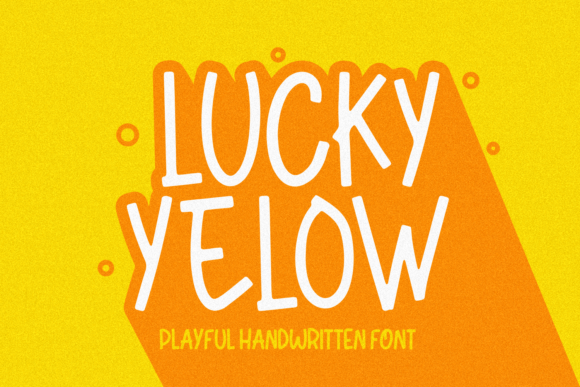
I was halfway through designing a new line of soy candle labels when I realized the typography just wasn't landing. The vibe I wanted was warm, boho, and effortlessly feminine, but the fonts I had tried felt either too stiff or too messy. That's when I pulled up Lucky Yellow, a stunning Script Handwritten typeface that immediately changed the mood of my entire project. As soon as I typed out the scent names, the design came to life. This isn't just another digital file; it is a tool that bridges the gap between a rough sketch and a professional product listing. For anyone creating physical goods or digital downloads, finding the right Fonts can make or break a brand, and Lucky Yellow delivers that classic, hand-lettered charm without sacrificing readability.
Creating Boho Wedding Invitations with Lucky Yellow
When working on wedding stationery, the pressure to get the details perfect is immense, which is why Lucky Yellow has become my go-to choice for invitations and save-the-dates. Because Lucky Yellow is a Script Handwritten font with such distinct personality, it instantly elevates a simple cardstock design into something heirloom-quality. I recently tested this font on a mockup for a rustic-chic wedding suite, pairing it with a clean, lightweight sans serif for the logistical details like dates and locations. The contrast was striking; the flowing lines of Lucky Yellow provided the romantic focal point, while the secondary text ensured clarity. This balance is crucial for Fonts used in event projects, where guests need to read the information easily while appreciating the aesthetic. Whether you are designing for a client or selling printable templates on Etsy, this typeface captures that sought-after boho elegance that couples love.
Designing Feminine Logos and Branding Assets
Building a cohesive brand identity often starts with a signature logo, and Lucky Yellow excels in creating memorable marks for boutique businesses. As a versatile Script Handwritten option, it works beautifully for signatures, watermarks, and main logotypes for shops selling handmade jewelry, ceramics, or art. When I applied Lucky Yellow to a tote bag mockup for a fictional flower shop, the result felt organic and inviting, exactly what a local business wants to convey. Unlike some decorative Fonts that lose their shape when scaled down, this typeface maintains its integrity, making it suitable for social media profile pictures and website headers alike. It adds a layer of authenticity that suggests a human touch behind the brand, which is invaluable for makers trying to stand out in a crowded marketplace. If you are refreshing your branding or launching a new product line, leveraging the classic style of Lucky Yellow can help establish an emotional connection with your audience immediately.
Using Lucky Yellow for Album Covers and Magazine Layouts
Beyond physical crafts, Lucky Yellow shines in editorial and music design contexts where mood is everything. I experimented with using this Script Handwritten font for a series of indie folk album covers, and the results were surprisingly powerful. The fluid strokes of Lucky Yellow evoke a sense of nostalgia and artistic freedom that fits perfectly with acoustic and alternative genres. Similarly, when laying out a lookbook or a small-run zine, this typeface acts as a strong display element that draws the eye without overwhelming the photography. Many Fonts struggle to bridge the gap between commercial polish and artistic expression, but Lucky Yellow manages to feel both professional and deeply personal. It is an excellent choice for creatives who need a typography solution that feels curated rather than generic, adding a layer of sophistication to digital publications and merchandise.
Practical Tips for Readability and Product Labels
While the beauty of Lucky Yellow is undeniable, practical application requires a keen eye for legibility, especially on small product labels. Since this is a decorative Script Handwritten font, it is best reserved for titles, short phrases, and names rather than long paragraphs of instructional text. In my testing with candle jars and soap wrappers, I found that Lucky Yellow worked perfectly for the product name and the brand header, but I switched to a simple sans serif for the ingredient lists and safety warnings. This hierarchy ensures that your packaging looks stunning while remaining compliant and easy to read. When using cutting machines like Cricut or Silhouette for stickers, ensure your vinyl settings are precise, as the delicate swashes in Lucky Yellow can be tricky if the material is too thick or the cut pressure is too high. Always print a test sheet to check how the ink sits on your specific paper stock, as textured materials can sometimes obscure the finer details of intricate Fonts.
Pairing Lucky Yellow with Complementary Typefaces
To get the most out of Lucky Yellow, understanding font pairing is essential for creating balanced designs. Because Lucky Yellow is a expressive Script Handwritten style, it pairs exceptionally well with geometric sans serifs or traditional serifs that offer a stable foundation. For example, combining it with a bold, modern sans serif creates a trendy, magazine-style look perfect for greeting cards and wall art. Alternatively, pairing it with a classic serif font can enhance its vintage appeal, making it ideal for wedding programs and heritage branding. The key is to let Lucky Yellow take the spotlight as the voice of emotion and personality, while the supporting Fonts handle the heavy lifting of information delivery. By experimenting with these combinations in your design software, you can create unique visual identities that feel custom-made for your specific niche, whether that is seasonal decor, planner stickers, or boutique apparel.